
Classic Corvettes usually means the first three generations: the C1 (1953 to 1962), the C2 (1963 to 1967) and the C3 (1968 to 1982), with early C4s starting to join the club. They are among the most collected American cars, valued for their fibreglass bodies, V8 engines and styling. Owning one in the UAE is very possible, but it takes careful buying, specialist support and a plan for heat, storage and parts.
In this guide
Which Corvettes count as classics?
There is no single definition. In collector circles the term is used like this:
| Generation | Years | Classic status |
|---|---|---|
| C1 | 1953 to 1962 | Established classic; early cars are rare and valuable |
| C2 | 1963 to 1967 | The most sought-after generation for many collectors |
| C3 | 1968 to 1982 | Classic; early chrome-bumper cars (1968 to 1973) are usually valued higher |
| C4 | 1984 to 1996 | Modern classic; special models like the ZR-1 attract interest |
| C5 and later | 1997 onward | Mostly used cars, with exceptions for rare variants |
For a full comparison of engines and dimensions, see our Corvette generations compared.
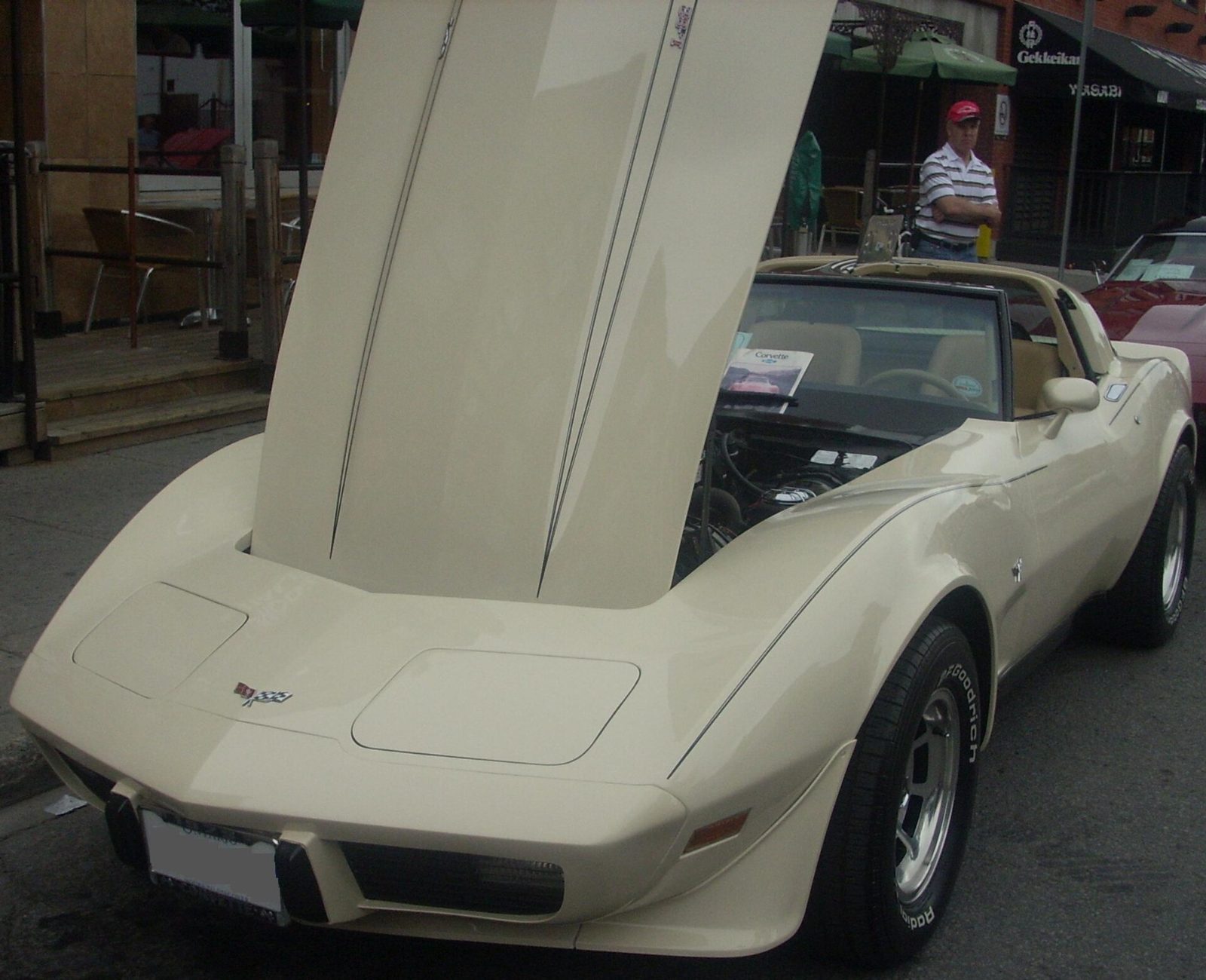
What makes a classic Corvette valuable
Several factors drive interest and value:
- Originality. Cars with their original engine, gearbox and major components (“numbers matching”) are generally valued above modified or re-engined cars.
- Documentation. Original build sheets, window stickers, ownership history and restoration records add confidence and value.
- Rare options. Certain engines, gearboxes and packages built in small numbers can make a big difference.
- Condition. A professionally restored car and a tired driver are very different propositions.
- Judging awards. Recognition from respected judging organisations, such as the National Corvette Restorers Society (NCRS) or Bloomington Gold, signals authenticity and quality.
Numbers matching explained
Engines, gearboxes and other parts on classic Corvettes carry stamped codes. Matching these with the car’s VIN and build date helps confirm the components are original. Specialists can check this for you.
Buying a classic Corvette from the UAE
Few classic Corvettes come up for sale locally, so many buyers import from the United States, where the market is largest.
- Decide your goal. A weekend driver, a show car or a long-term investment each needs a different budget and approach.
- Research the specific year. Each model year has its own details, options and common issues.
- Get an independent inspection. Hire a classic Corvette specialist in the seller’s country to inspect the car in person, including frame condition, body bonding and codes.
- Check the frame. Rust on the steel frame is a common issue on older Corvettes, even though the body is fibreglass.
- Look at the body. Fibreglass does not rust, but it cracks, and poor repairs can be hidden under paint.
- Arrange shipping and import. Use experienced classic car shippers and customs brokers.
- Ask about local registration. Contact the RTA or your emirate’s licensing authority about registering and testing an older vehicle before you commit.
Do not buy on photos alone
Photos can hide frame rust, poor bodywork and incorrect parts. An in-person inspection by an independent specialist is the best money you will spend.
Living with a classic Corvette in the heat
Classic Corvettes were designed for American roads in the 1950s to 1970s, not for Gulf summers. Expect to adapt.
- Cooling. Upgraded radiators, fans and correct coolant help. Keep originals stored if you change them, to preserve value.
- Air conditioning. Factory AC was available on some years but may not cope with UAE peak temperatures. Many owners drive their classics only in the cooler months.
- Fuel. Older engines were designed for different fuels. Ask a specialist about fuel choice, additives and ignition settings.
- Rubber parts. Hoses, seals and tyres age quickly in heat. Inspect them regularly.
- Electrics. Old wiring and connections suffer from heat. Watch for intermittent faults.
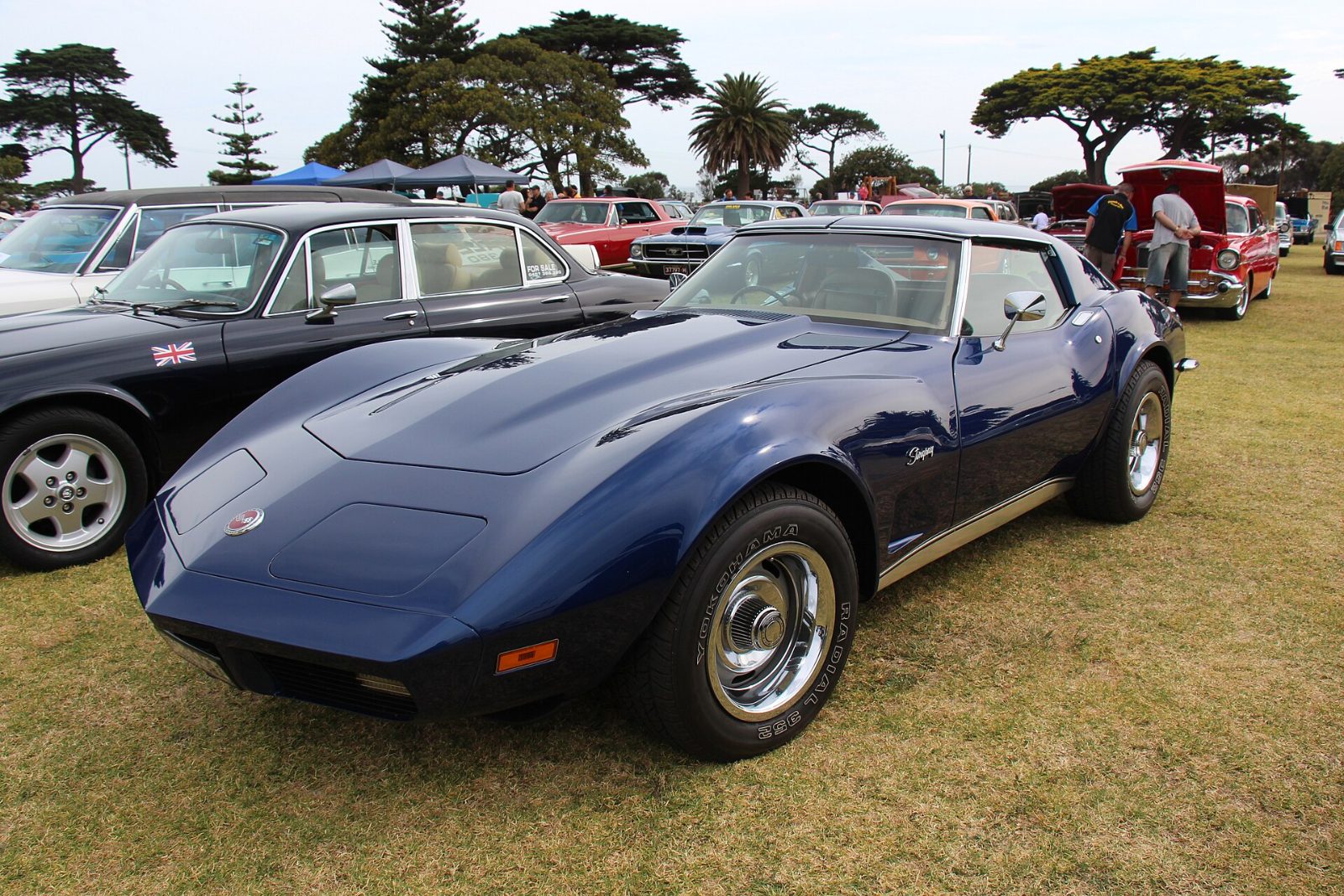
Storage and care
- Keep the car in a covered, ideally climate-controlled garage.
- Use a breathable indoor car cover only on a clean car.
- Use a battery maintainer if the car sits for weeks.
- Drive it regularly in the cooler months to keep seals and mechanicals working.
- Keep a log of maintenance and keep all receipts.
Parts and specialists
Most classic Corvette parts are available from US suppliers, and reproduction parts are widespread. In the UAE, look for mechanics experienced with American classics and carburettor-era engines. Clubs and owner groups are valuable sources of recommendations. Allow time for parts shipping and customs clearance.
Budget realistically
Purchase price is only the start. Shipping, import costs, inspection, initial servicing and the inevitable small repairs all add up. Our ownership cost calculator helps you plan yearly running costs in AED.
Insurance
Classic cars often need specialist insurance with an agreed value, rather than a standard policy based on market depreciation. Ask UAE insurers about classic car cover and provide photos, appraisals and documentation.
A classic Corvette is part car and part history. Buy the history first, then the paint.
FAQ
What is the most collectable classic Corvette?
Many collectors consider certain C2 models, especially rare engine and option combinations, among the most desirable. Values depend heavily on originality and documentation.
Can I drive a classic Corvette in UAE summer?
It is possible, but heat is hard on older cooling, AC and rubber parts. Many owners limit summer use to early mornings or store the car until cooler months.
Are classic Corvettes rust-free because they are fibreglass?
The body does not rust, but the steel frame and some underbody parts can. Always inspect the frame.
What is NCRS?
The National Corvette Restorers Society is an organisation that promotes the restoration and preservation of Corvettes, with judging programmes that assess originality.
Sources: National Corvette Museum, National Corvette Restorers Society, Roads and Transport Authority
Last reviewed: 2026-11-25.