
The 1982 Corvette Collector Edition is the special model that closed out the third-generation Corvette after fifteen years. It combined a unique silver-beige paint scheme, matching leather interior, special wheels and the first opening rear glass hatch on a C3. Underneath, every 1982 Corvette used the new Cross-Fire Injection 350 and a four-speed automatic, with no manual gearbox offered that year.
In this guide
The end of a long generation
By 1982 the C3 shape had been on sale since 1968. Chevrolet was preparing the all-new C4, which skipped the 1983 model year for production cars and arrived as a 1984 model. To mark the change, Chevrolet built a Collector Edition alongside the regular coupe. It was the most expensive Corvette ever sold up to that point, and it was built in limited numbers rather than as a fixed, numbered series.
The car also served as a technology test bed. The 1982 drivetrain, with throttle-body fuel injection and an electronically controlled four-speed automatic with overdrive, previewed parts that would carry into the C4.
1982 Collector Edition highlights
- Unique silver-beige metallic paint with graduated shadow stripes
- Opening rear glass hatch, a first for the C3
- Finned alloy wheels styled after the 1960s Corvette wheel covers
- Silver-beige leather seats and trim
- Special badges and bronze-tinted glass roof panels
Cross-Fire Injection explained
The L83 350 used two throttle-body injectors mounted on a crossed intake manifold, which is where the name “Cross-Fire” comes from. Compared with the carburetted engines of the late 1970s, it was smoother and cleaner, and it worked with an early engine computer.
Power was modest by modern standards, around 200 horsepower, and it peaked low in the rev range. The engine was about meeting emissions rules with reasonable drivability, not about headline numbers. The same system returned on the 1984 C4 before Tuned Port Injection replaced it in 1985.
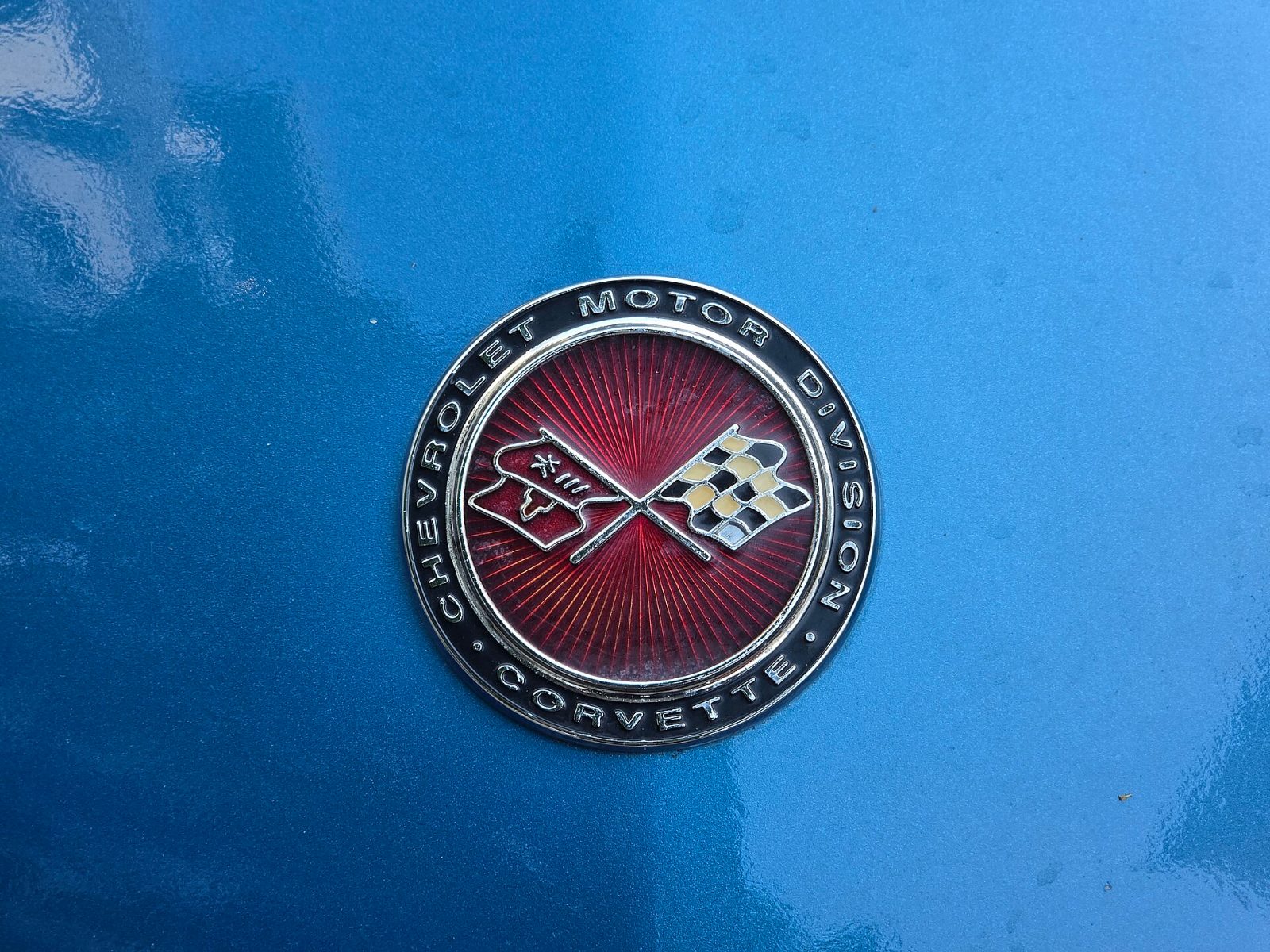
Automatic only
The 1982 Corvette was the first since the early years to be sold without a manual gearbox. The four-speed automatic with lock-up converter helped economy on the highway. For UAE drivers that is not a drawback: an automatic C3 is far easier in stop-start traffic, and the overdrive top gear keeps engine speed down on long highway runs.
| Feature | 1981 Corvette | 1982 Corvette | 1982 Collector Edition |
|---|---|---|---|
| Engine | Carburetted 350 | Cross-Fire Injection 350 | Cross-Fire Injection 350 |
| Gearboxes | Manual or automatic | Automatic only | Automatic only |
| Rear glass | Fixed | Fixed | Opening hatch |
| Paint | Standard range | Standard range | Silver-beige special scheme |
| Wheels | Standard alloys | Standard alloys | Unique finned alloys |
Strengths and weak points
Where it shines
The Collector Edition is comfortable, well equipped and distinctive. The opening hatch makes it more practical than other C3 coupes, and the leather interior was a step above the standard cars. Because it is a late C3, rust protection and build quality are generally better than early 1970s cars, though that depends heavily on history.
What to inspect
- Injection system: Cross-Fire units are reliable when clean and correctly adjusted, but some have been converted to carburettors. Originality matters for value.
- Electronics: Early engine computers and sensors are now forty years old. Ask what has been replaced.
- Hatch seals and hinges: Leaks around the opening glass are common.
- Paint and stripes: The special paint and graduated stripes are expensive to reproduce correctly.
- Frame: As with every C3, check the frame and birdcage for corrosion.
Look for the documents
Original window stickers, dealer paperwork and the build sheet help confirm that a car is a genuine Collector Edition and not a regular coupe dressed up later.
Owning one in the UAE
Collector Editions that appear for sale in the Gulf are usually imports. Make sure the car has clean title and export documents from its previous country, and that the chassis number on the UAE registration matches the car. Classic registration options vary by emirate, so ask the local traffic authority before you buy.
Heat management is the main mechanical worry. Make sure the radiator, fans and air conditioning are in good order, and store the car under cover because sun damage to the leather and the special paint is costly to fix. Our ownership cost calculator gives a starting budget, and our generation comparison shows how the C3 compares with the C4 that replaced it.
A sensible first drive routine
If you have just bought one, change all fluids, inspect the fuel lines and filter, and replace old tyres regardless of tread depth, because rubber ages even when a car sits. Check the cooling fan operation at idle on a warm day before you head into traffic. Drive it gently for the first few weeks and listen for anything new. Many problems on a car that sat for years only show up after it has been used regularly again, and catching them early on a cool morning is far better than on a hot afternoon on a highway.
Is it a good investment?
Values of late C3 cars have historically trailed the chrome-bumper years and big-block cars, but special editions like the Collector Edition attract dedicated buyers. Condition, originality and mileage drive prices far more than the badge. Treat it as a car to enjoy rather than a guaranteed financial return, and buy the best documented example you can afford.
The 1982 Collector Edition is a comfortable, distinctive goodbye to the C3, and the opening hatch makes it the most practical of the shark-shaped coupes.
Frequently asked questions
How many 1982 Collector Editions were built?
Chevrolet built several thousand, which makes it uncommon rather than truly rare. Production figures are listed by marque organisations such as the National Corvette Restorers Society.
Did the 1982 Corvette have a manual gearbox?
No. Every 1982 Corvette used a four-speed automatic.
Why is there no 1983 Corvette?
Chevrolet built a small number of 1983 prototypes, but the new C4 went on sale as an early 1984 model, so no 1983 cars were sold to the public. One prototype is displayed at the National Corvette Museum.
What is Cross-Fire Injection?
A twin throttle-body fuel injection system used on the 1982 and 1984 Corvette, mounted on a crossed intake manifold.
Sources: National Corvette Museum, National Corvette Restorers Society, Chevrolet Corvette (official)
Cover photo: Mr.choppers, CC BY-SA 3.0. Last reviewed: 2026-11-25.