
The 1981 Corvette is the year production moved from St. Louis, Missouri, to the new plant in Bowling Green, Kentucky, where Corvettes are still built today. It used a single 350 V8 with an early computer-controlled engine system, came with a manual or automatic gearbox, and introduced a composite rear leaf spring on some cars. That mix of history and late-C3 comfort makes it an interesting and still affordable classic.
In this guide
One year, two factories
Chevrolet had built Corvettes in St. Louis since 1954. The new Bowling Green plant was designed to improve quality, particularly paint finish, ahead of the next generation. During 1981 both plants built cars for a period, before St. Louis ended Corvette production and Bowling Green took over completely.
For collectors this creates two variants of the same model year. The vehicle identification number shows where a car was built. St. Louis cars from the final months and early Bowling Green cars both attract interest, and some owners specifically look for one or the other.
1981 Corvette in brief
- One engine: L81 350 small-block V8 with Computer Command Control
- Four-speed manual or three-speed automatic
- Built in St. Louis and Bowling Green during the same model year
- Composite (fibreglass-reinforced) rear leaf spring on automatic cars
- T-top coupe only; the convertible returned with the C4
Engine and electronics
The L81 replaced the earlier L48 and L82. It had a modest output by later standards, but it used Computer Command Control, General Motors’ early engine management system, which adjusted the carburettor mixture and ignition to meet emissions rules. It was a step towards the electronic fuel injection that arrived a year later.
For owners today, the computer is both a help and a challenge. When everything works, the car starts and idles well. When sensors fail, diagnosis can be confusing for mechanics used to either purely mechanical systems or modern on-board diagnostics. Find a specialist who knows these early systems.
The composite leaf spring
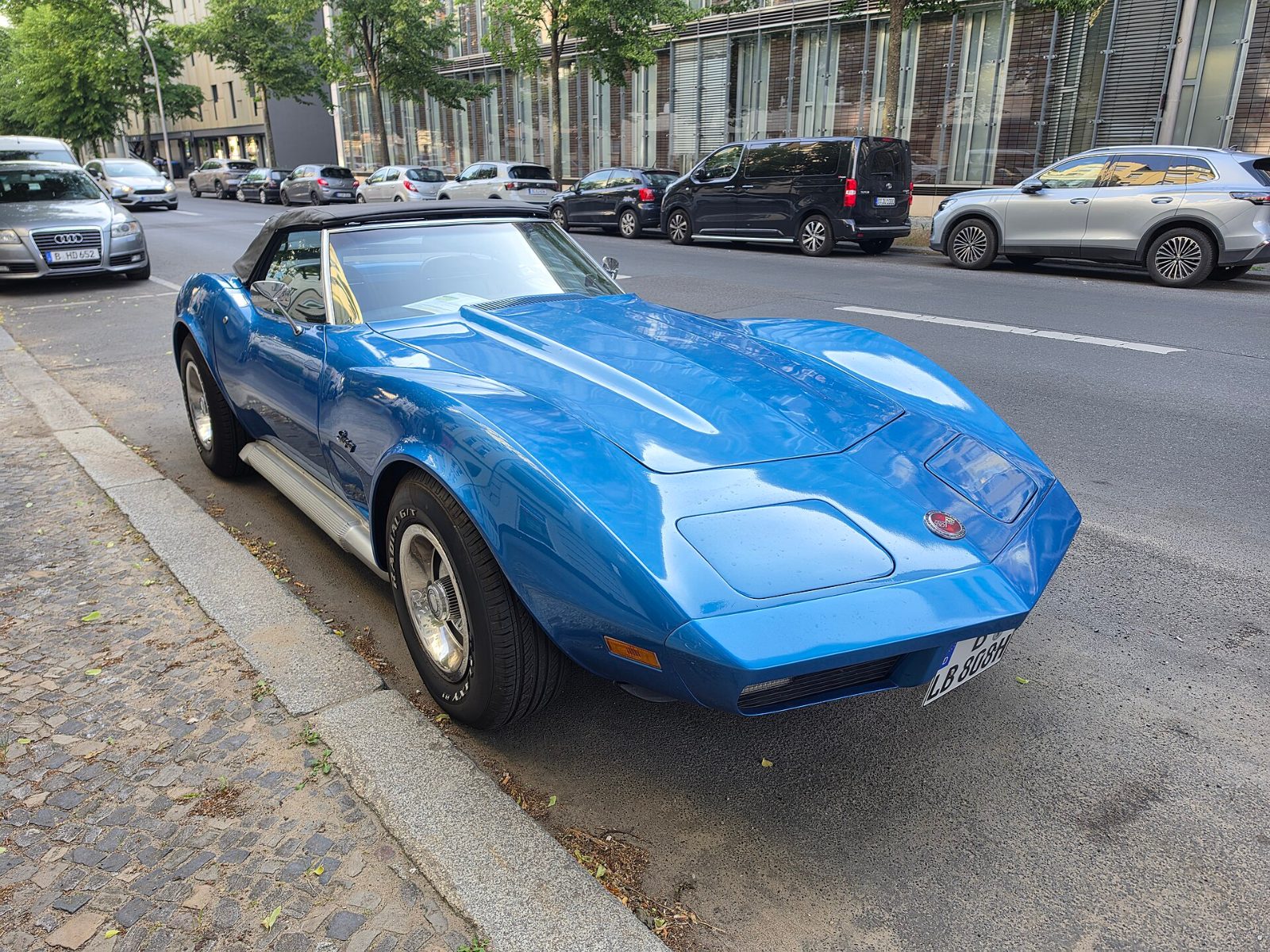
In 1981 Chevrolet fitted a single-leaf rear spring made from fibreglass-reinforced plastic to automatic cars. It saved a significant amount of weight compared with the multi-leaf steel spring and did not rust. The idea worked so well that the C4 used composite springs front and rear, and later Corvettes continued the concept for decades.
The last manual-gearbox C3
The 1981 model is the last C3 you can buy with a factory manual gearbox, because the 1982 car was automatic only. Manual cars are a minority and some buyers seek them out. In practice, the three-speed automatic is the more relaxing choice in UAE traffic, and it is the version most often found for sale.
| Feature | 1980 | 1981 | 1982 |
|---|---|---|---|
| Main engine | L48 / L82 350 | L81 350 | L83 Cross-Fire Injection 350 |
| Engine control | Carburettor | Carburettor with Computer Command Control | Throttle-body fuel injection |
| Manual gearbox | Yes | Yes, final year | No |
| Plant | St. Louis | St. Louis and Bowling Green | Bowling Green |
Buying a 1981 Corvette today
Late C3s are often cheaper than earlier chrome-bumper cars, which makes them a sensible entry into classic Corvettes. The trade-off is more electronics and less power. Here is what to look at.
Frame and birdcage corrosion
Like every C3, the 1981 has a steel frame and a steel cabin structure under fibreglass. Check the frame rails, the area in front of the rear wheels and the windscreen frame.
Computer Command Control faults
Ask whether the check engine light works and whether the system has been bypassed. A car that has been converted to a simple carburettor setup may run fine, but it is no longer original.
Interior and T-tops
Late C3 interiors use plastics that crack in heat. T-top seals shrink and leak. Replacement parts are widely available, so this is a negotiating point rather than a reason to walk away.
Paint and body
Early Bowling Green cars introduced new paint processes. Original paint in good condition is a plus; resprays should be done properly with the right preparation for fibreglass.
Rust hides under fibreglass
A shiny body does not mean a healthy car. Always inspect the frame on a lift before agreeing on a price.
Owning one in the UAE
Most 1981 Corvettes in the Emirates are imports from North America. Check title, export and customs documents, and confirm that the chassis number matches the registration. Classic registration and inspection rules differ by emirate; ask the traffic authority before buying.
For daily comfort, the air conditioning and cooling system need to be in good shape. A new radiator, fresh hoses, a working fan and a recharged air conditioning system can transform the car. Covered parking protects the interior and the seals. Our ownership cost calculator gives a rough annual budget, and our generation comparison shows how the late C3 compares with the C4 and later cars.
Making it pleasant to drive
Modern radial tyres in the original sizes, new shock absorbers and fresh bushings make a late C3 feel tighter and safer without changing its character. An upgraded alternator helps if you add an electric fan. Small improvements like these are easy to reverse and make the car much more enjoyable on UAE highways.
Why the 1981 deserves attention
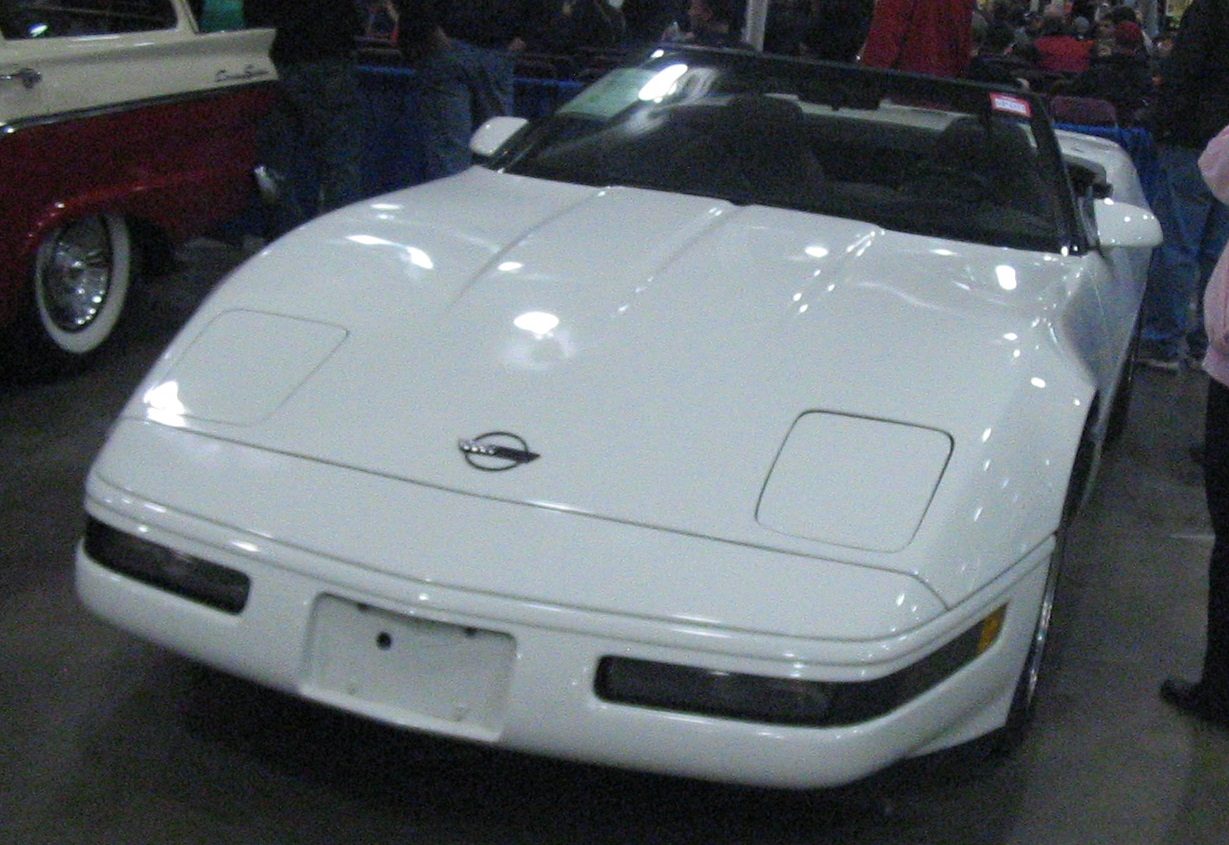
The 1981 Corvette tells the story of a transition: a new factory, early electronics, and a new type of suspension spring that shaped decades of Corvette engineering. It is not the fastest or rarest C3, but it is affordable, comfortable and full of history.
The 1981 Corvette is the only model year built in two different plants, and its composite spring is still part of the Corvette story.
Frequently asked questions
How do I tell if a 1981 Corvette was built in St. Louis or Bowling Green?
The vehicle identification number includes a plant code. Marque guides explain how to read it.
Was the 1981 Corvette available as a convertible?
No. The C3 convertible ended after 1975 and returned with the C4 in 1986.
Is a 1981 Corvette a good first classic?
It can be. It is affordable, parts are easy to find and it is more comfortable than earlier C3s, though the electronics need understanding.
Did all 1981 Corvettes have the composite rear spring?
No. It was fitted to automatic cars; manual cars kept a steel spring.
Sources: National Corvette Museum, National Corvette Restorers Society, Chevrolet Corvette (official)
Last reviewed: 2026-11-25.