
The 1956 Corvette is the year the car was saved. After weak sales in 1953 to 1955, Chevrolet restyled the body with its famous side coves, added roll-up windows and made the 265 cubic inch V8 standard. Only 3,467 were built, and the 1956 is now prized as the first Corvette that felt like a true sports car rather than a show car for the road.
In this guide
Why 1956 was a turning point
The first Corvettes had a six-cylinder engine, side curtains instead of proper windows and a two-speed automatic. Enthusiasts were not impressed, and sales were disappointing. By 1955 the future of the car was uncertain. Chevrolet’s answer for 1956 was a thorough update: a new body, a V8 as standard, a manual gearbox, and comfort features that buyers expected. It worked. The Corvette gained credibility and, helped by racing success, secured its place in the line-up.
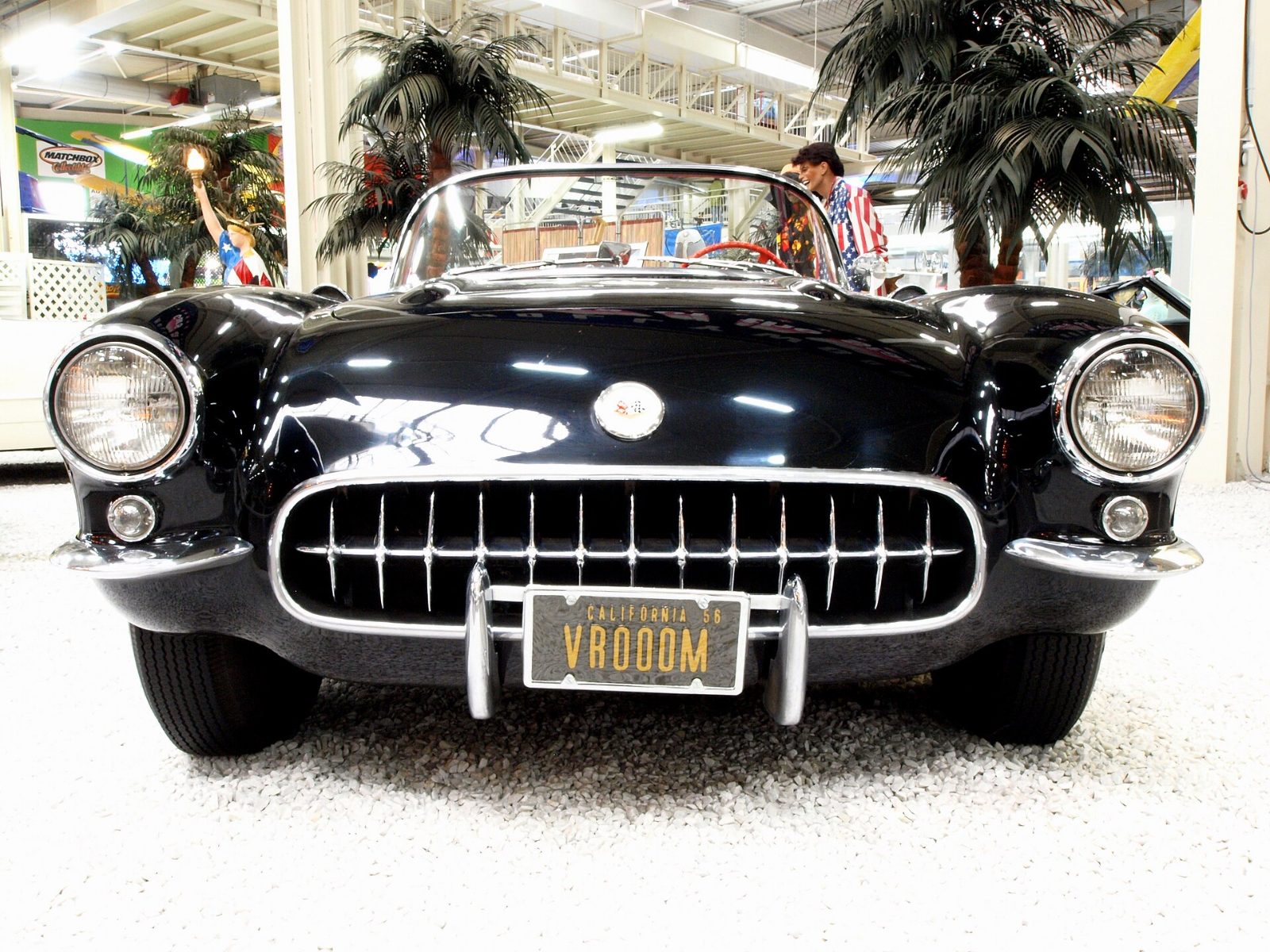
What changed for 1956
| Area | 1953 to 1955 | 1956 |
|---|---|---|
| Body | Rounded early C1 shape | Restyled with side coves and new front and rear |
| Windows | Clip-in side curtains | Roll-up glass windows |
| Door handles | Inside only | Exterior handles added |
| Engine | Six-cylinder, V8 optional in 1955 | 265 V8 standard |
| Gearbox | Automatic, manual arriving late 1955 | Three-speed manual standard, Powerglide automatic optional |
| Roof | Soft top | Soft top, optional power operation and removable hardtop |
1956 Corvette in brief
- Generation: C1
- Production: 3,467 cars
- Engine: 265 cubic inch V8 in several outputs
- Gearboxes: three-speed manual, two-speed Powerglide automatic
- Body: fibreglass convertible
Engines
The 265 V8 came in different states of tune. The standard engine used a single four-barrel carburettor, and buyers could order a dual four-barrel version with more power. A high-lift camshaft option, associated with engineer Zora Arkus-Duntov, raised output further and was aimed at racing. Advertised power ranged from around 210 to 240 horsepower in gross terms, depending on the configuration.
The 1956 Corvette proved that a fibreglass American roadster could be a serious performance car.
Racing heritage
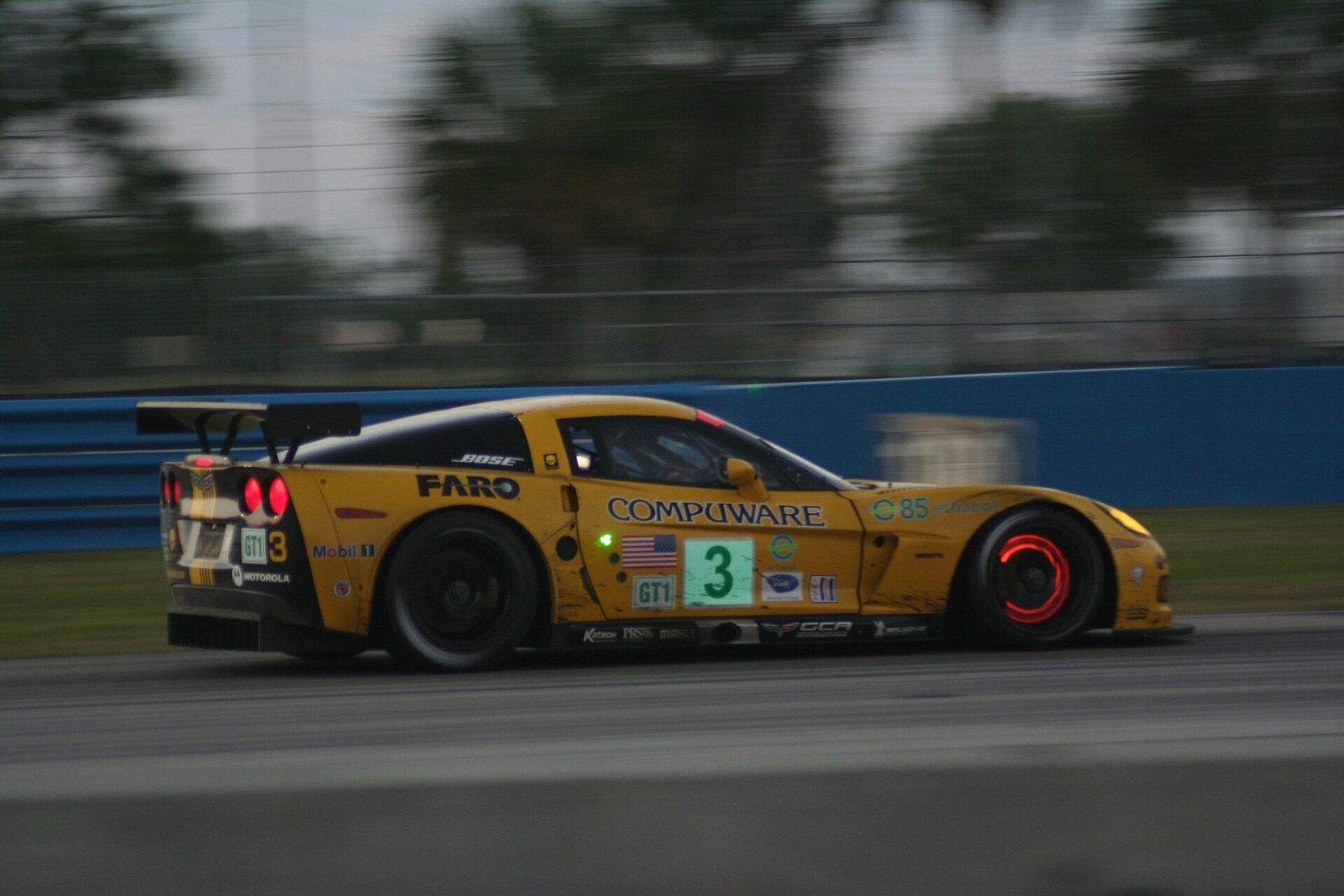
In early 1956, Zora Arkus-Duntov drove a specially prepared Corvette at Daytona Beach and recorded a speed of around 150 mph. Corvettes also competed at the Sebring 12 Hours that year. Chevrolet used these results in advertising, and the image of the Corvette as a real performance car began to take hold. Duntov would go on to shape the Corvette for decades and is often called the father of the Corvette.
Colours and details
The side coves could be painted in a contrasting colour, a distinctive look that collectors value when it is correct for the car. Original colour combinations, interior trim and options are documented in judging guides from the National Corvette Restorers Society. If you are buying a restored car, ask how closely it follows those standards.
Buying a 1956 Corvette in the UAE
A 1956 Corvette in the UAE is a rare sight. Most cars that come to the region are imported from the United States by collectors. The process involves shipping, customs duty, inspection and registration as a classic vehicle. Because so few were built, any car offered should come with as much history as possible.
What to check
- Body: fibreglass cracks, previous repairs and panel fit.
- Frame: rust and damage, especially if the car spent time in wet climates.
- Engine identification: confirm the engine is correct for a 1956 and ideally original to the car.
- Hardtop and soft top: originality and condition.
- Documentation: previous restoration records, ownership history and any judging results.
- Trim and chrome: original parts are expensive and some are hard to find.
Rare cars attract clones and misrepresented examples
Because 1955 and 1956 cars can look similar to untrained eyes, and because certain options add value, misrepresented cars exist. Use an independent Corvette specialist for a pre-purchase inspection before any money changes hands.
Living with a 1950s Corvette in Gulf heat
A 1956 Corvette was designed for a very different climate. Original cooling systems and the absence of air conditioning make summer driving in the UAE uncomfortable and risky for the car. Most owners here:
- Store the car in a garage, ideally climate-controlled, to protect fibreglass, paint and upholstery.
- Drive it in the cooler months, often at club events and early-morning runs.
- Use a breathable car cover inside the garage to keep dust off.
- Discreetly improve cooling if they drive it regularly, keeping original components stored.
- Use an agreed-value classic car insurance policy.
Our Corvette ownership cost calculator can help you estimate storage and insurance costs in AED.
The 1956 in the wider C1 story
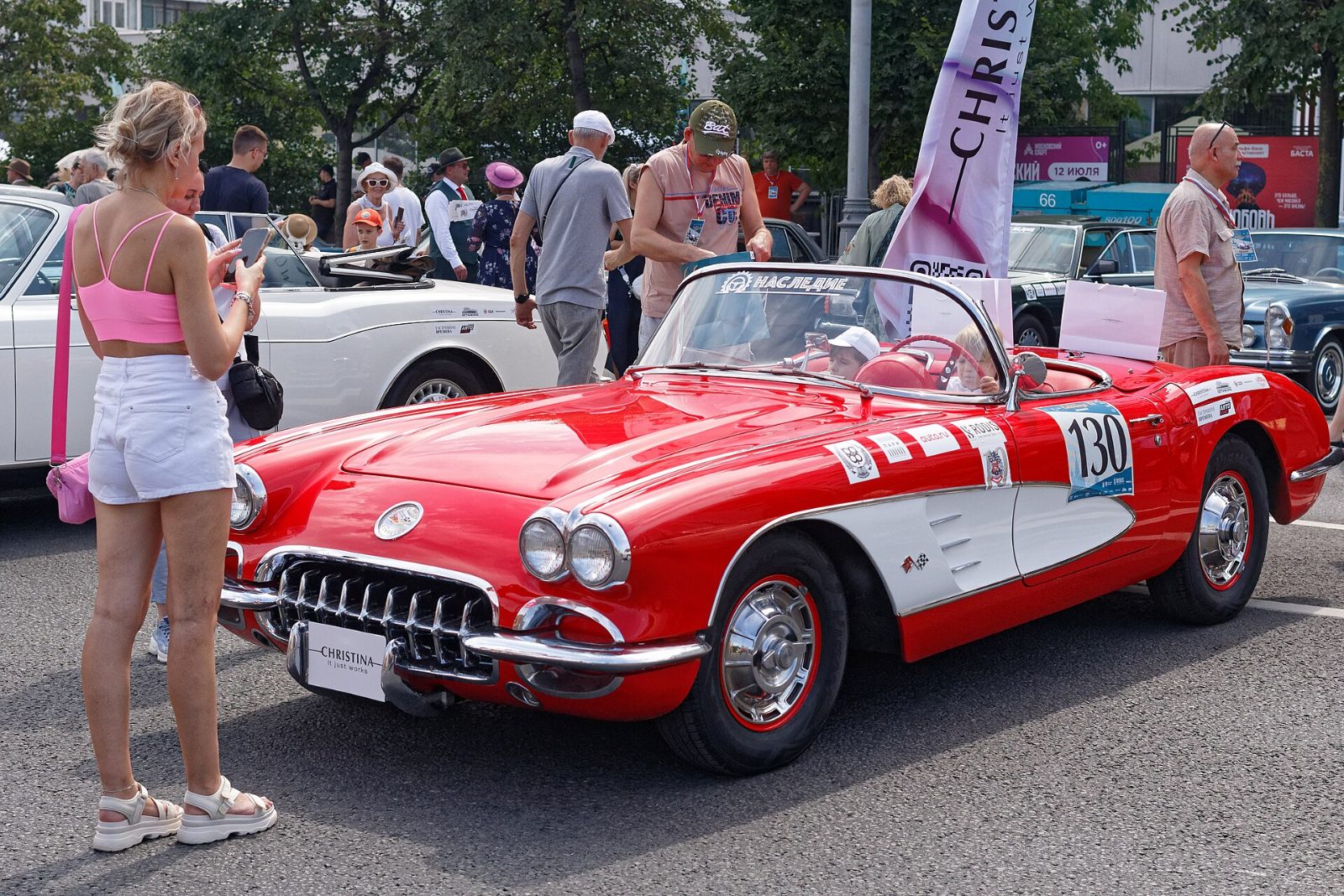
The 1956 led directly to the 1957, which added fuel injection and a four-speed manual, and to the quad-headlight cars of 1958 to 1962. Many collectors see 1956 and 1957 as a pair, the years when the Corvette came of age. For a broader overview of how each generation developed, see our Corvette generations compared page.
Frequently asked questions
How many 1956 Corvettes were made?
Chevrolet built 3,467 Corvettes for the 1956 model year.
What engine did the 1956 Corvette have?
The 265 cubic inch V8 was standard, offered in several outputs including a dual four-barrel version.
What was new on the 1956 Corvette?
A restyled body with side coves, roll-up windows, exterior door handles, a standard V8 and a three-speed manual gearbox.
Is a 1956 Corvette a good investment?
Values depend on condition, originality and documentation. Treat any classic as a passion purchase first and get expert advice before buying.
Sources: National Corvette Museum, NCRS, Chevrolet Corvette
Last reviewed: 2026-11-25.