
The 1964 Corvette Sting Ray is the second year of the C2, the generation that brought independent rear suspension and hidden headlights to the Corvette. For 1964 Chevrolet removed the famous split rear window from the coupe, deleted the fake bonnet vents and refined the interior and ride. It kept the 327 V8 range, including a fuel-injected version, and today offers the classic mid-1960s look at a lower price than the 1963 split-window car.
In this guide
The C2 Sting Ray in a nutshell
The second-generation Corvette arrived for 1963 and ran until 1967. It was the first Corvette offered as a coupe as well as a convertible, and its styling, shaped under Bill Mitchell with Larry Shinoda’s design work, became one of the most celebrated in American car history. Underneath, a new ladder frame and independent rear suspension, developed under Zora Arkus-Duntov, transformed the handling compared with the solid-axle C1.
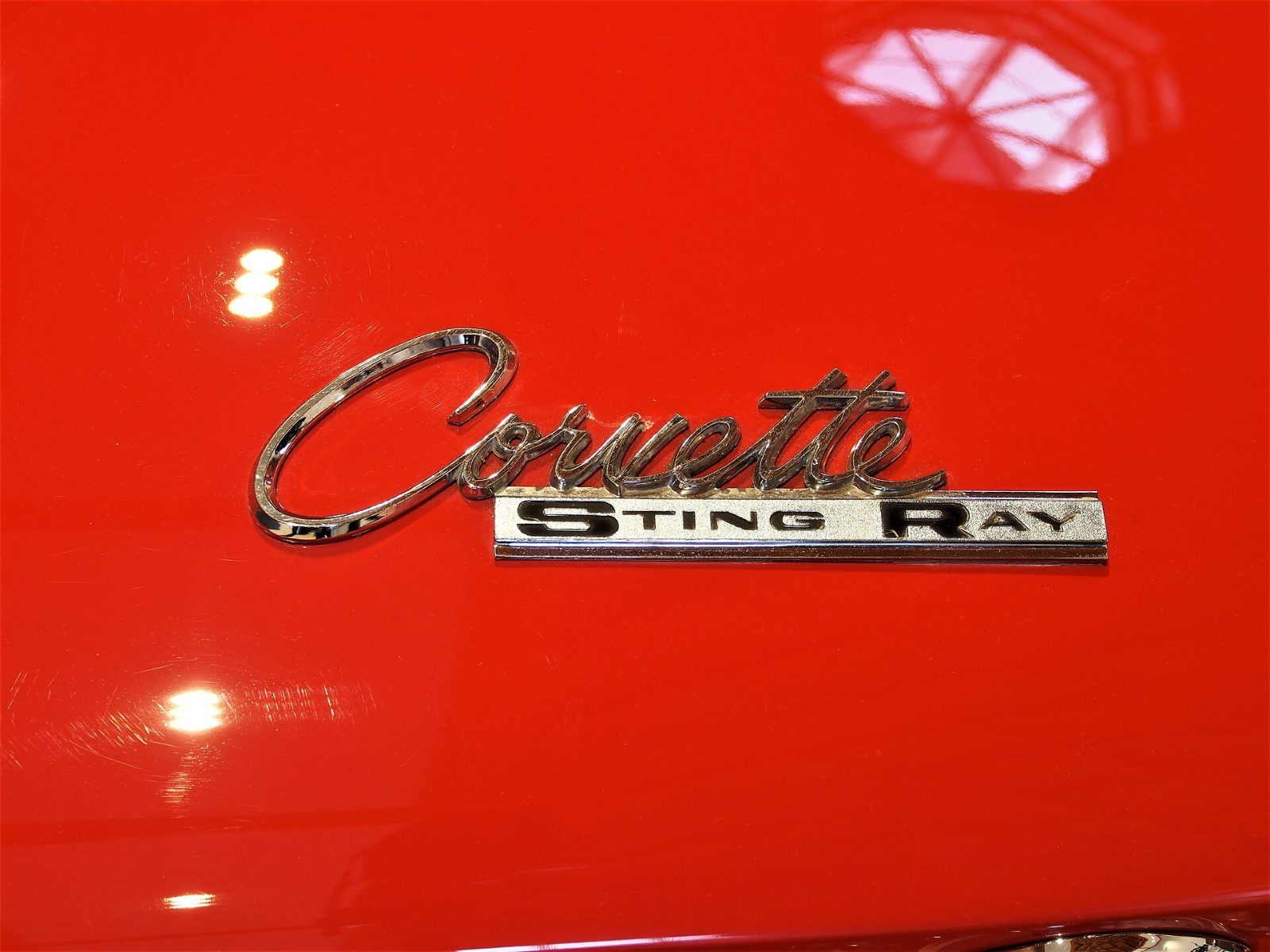
During the C2 years the name was written as two words, “Sting Ray”. It became one word, “Stingray”, with the 1969 C3.
1964 Sting Ray at a glance
- Coupe and convertible bodies, optional hardtop for the convertible
- 327 cubic inch small-block V8 in several states of tune, including fuel injection
- Three-speed manual, four-speed manual or Powerglide automatic
- Independent rear suspension, drum brakes all round
- Single-piece rear window on the coupe, replacing the 1963 split window
What changed from 1963
The most visible change was the rear window. The 1963 coupe had a split rear window divided by a central spine, which looked dramatic but limited rear visibility. For 1964 the spine was gone, replaced by a single glass panel. Today the split window is one of the most collectible Corvette features, which is why a 1963 coupe usually costs more than a comparable 1964.
Chevrolet also removed the fake bonnet grilles and replaced the fake vents on the coupe’s rear pillars with functional ones on the driver’s side, part of an improved ventilation system. Inside, the steering wheel received a simulated wood rim, and sound insulation was improved to reduce road noise.
Engines and gearboxes
All 1964 Corvettes used versions of the 327 V8. The range ran from a mild base engine for cruising to high-performance versions with solid lifters, and the top option with Rochester mechanical fuel injection. Gearbox choices included a three-speed manual, two four-speed manuals with different ratios and the two-speed Powerglide automatic.
| Configuration | Character | Today |
|---|---|---|
| Base 327 with Powerglide | Easy cruiser | Comfortable for occasional use |
| Mid-range 327 with four-speed | Balanced performance | Popular with drivers |
| High-performance 327 with solid lifters | Revs higher, louder | Enthusiast choice |
| Fuel-injected 327 | Top of the range | Most valuable, needs specialist care |
Disc brakes did not arrive until 1965, and the big-block 396 also came in 1965. If you want either, look at later C2 years. If you want the purest early Sting Ray look without paying split-window prices, 1964 is the sweet spot.
Independent rear suspension
The C2’s independent rear suspension used a transverse leaf spring and the half-shafts as upper links. It was clever, light and compact, and it gave the Sting Ray a ride and grip that the C1 could not match. It does need maintenance: trailing arm bushings, wheel bearings and strut rods wear, and worn parts make the car feel vague. A well-sorted 1964 still drives surprisingly well on modern roads.
Buying a 1964 Sting Ray
Frame and birdcage
Rust on the frame, particularly behind the front wheels and in front of the rear wheels, and corrosion in the birdcage around the windscreen and door hinges are the costly issues. Fibreglass hides both.
Numbers and documentation
Engine stamping, casting numbers, date codes and trim tags help establish originality. A fuel-injected car should come with strong documentation, because conversions exist.
Body and panel fit
C2 bodies were bonded fibreglass panels. Look for stress cracks, poor repairs and uneven gaps, especially around the doors and pop-up headlights.
Brakes and steering
Drum brakes need proper adjustment and fresh linings. Some owners convert to discs for safety; whether that suits you depends on how you will use the car and whether you care about originality.
Make sure the headlights work
The rotating headlights on the C2 are driven by electric motors. Worn motors and gears are common and can leave lights stuck half open.
Owning one in the UAE
A 1964 Sting Ray in the Emirates is almost always an import. Check the title history in the country of origin, the export and customs papers, and that the chassis number on the UAE registration matches the car. Classic registration and inspection rules vary by emirate; ask the traffic authority before you buy.
Heat is the main challenge. Factory air conditioning was available on the C2 from 1963 but was rare. Most cars rely on open windows and vent windows. Upgrading the radiator and fan helps the engine, but the cabin will still get hot, so plan to drive in cooler months and early mornings. Store the car indoors, ideally with climate control, to protect the interior, chrome and fibreglass.
Our ownership cost calculator gives a rough baseline for running costs, which you can adjust for classic insurance and specialist work. The generation comparison puts the C2 in context with the cars that came before and after.
Why 1964 is a smart C2 choice
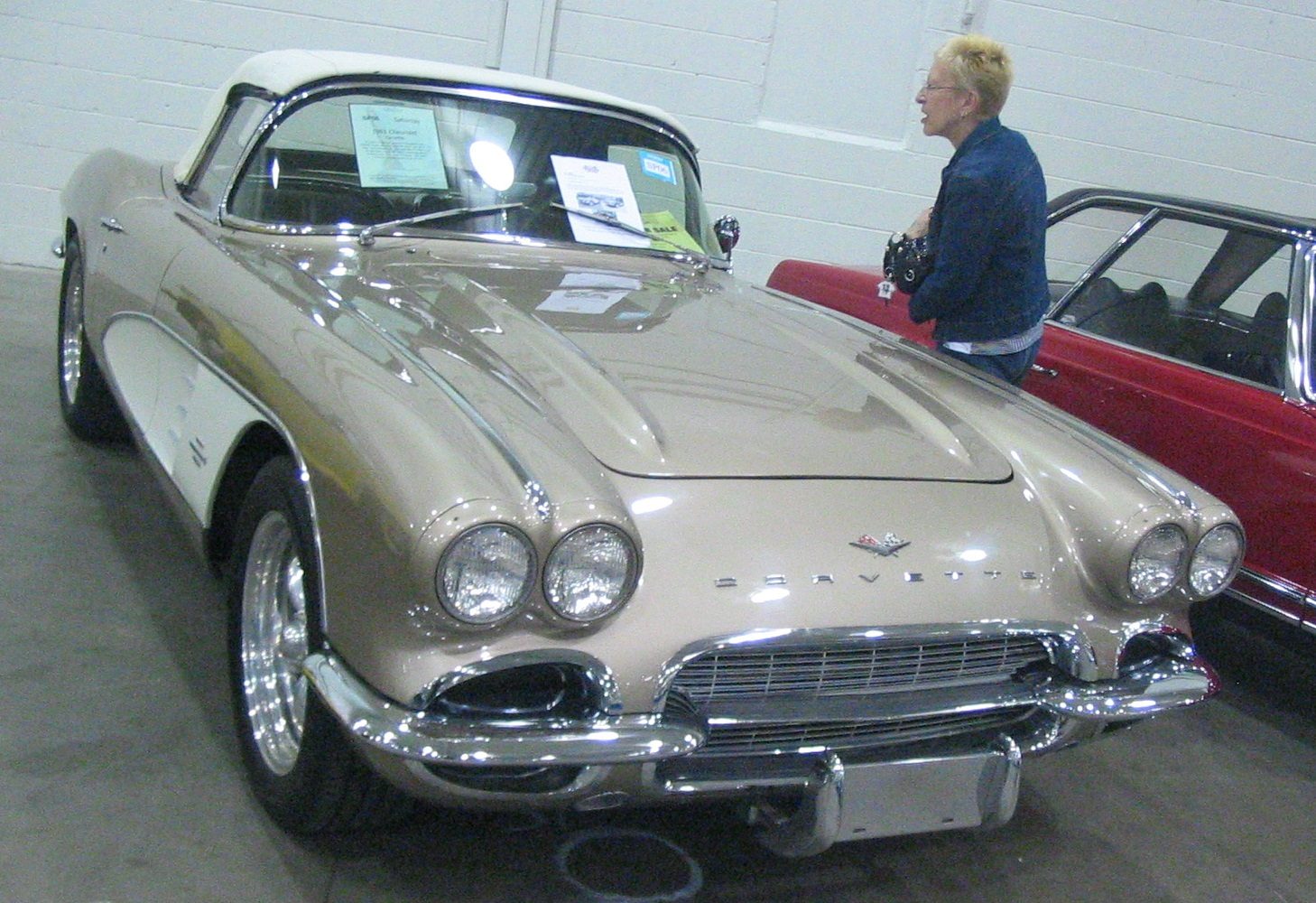
The 1964 car gives you the classic Sting Ray body, the independent rear suspension and a strong 327 range, without the split-window premium of 1963. It lacks the disc brakes and big-block options of later years, but many enthusiasts prefer the lighter small-block cars anyway. As always, buy on condition and documentation rather than on the year alone.
The 1964 Sting Ray is the early C2 look without the split-window price; check the frame and the numbers, then enjoy the drive.
Frequently asked questions
What is the difference between a 1963 and a 1964 Corvette Sting Ray?
The 1964 coupe has a one-piece rear window instead of the 1963 split window, and the fake bonnet vents were removed. Interior and ventilation details were also revised.
Did the 1964 Corvette have disc brakes?
No. Four-wheel disc brakes arrived for 1965.
Is “Sting Ray” or “Stingray” correct for 1964?
“Sting Ray”, written as two words, was used for the C2 from 1963 to 1967.
Is a 1964 Sting Ray usable in UAE summer?
It is possible with a sorted cooling system, but most owners drive it in cooler months and early mornings.
Sources: National Corvette Museum, National Corvette Restorers Society, Chevrolet Corvette (official)
Last reviewed: 2026-11-25.