
The 1969 Corvette ZL1 is a C3 Stingray fitted with the ZL1 427, a big-block V8 with an aluminium block and aluminium heads developed for racing. It was the most expensive engine option Chevrolet listed for the Corvette that year, and only two cars are generally accepted as factory ZL1 Corvettes. That rarity is why the name carries so much weight, and why most cars you will see with ZL1 badges are tributes.
In this guide
What the ZL1 actually was
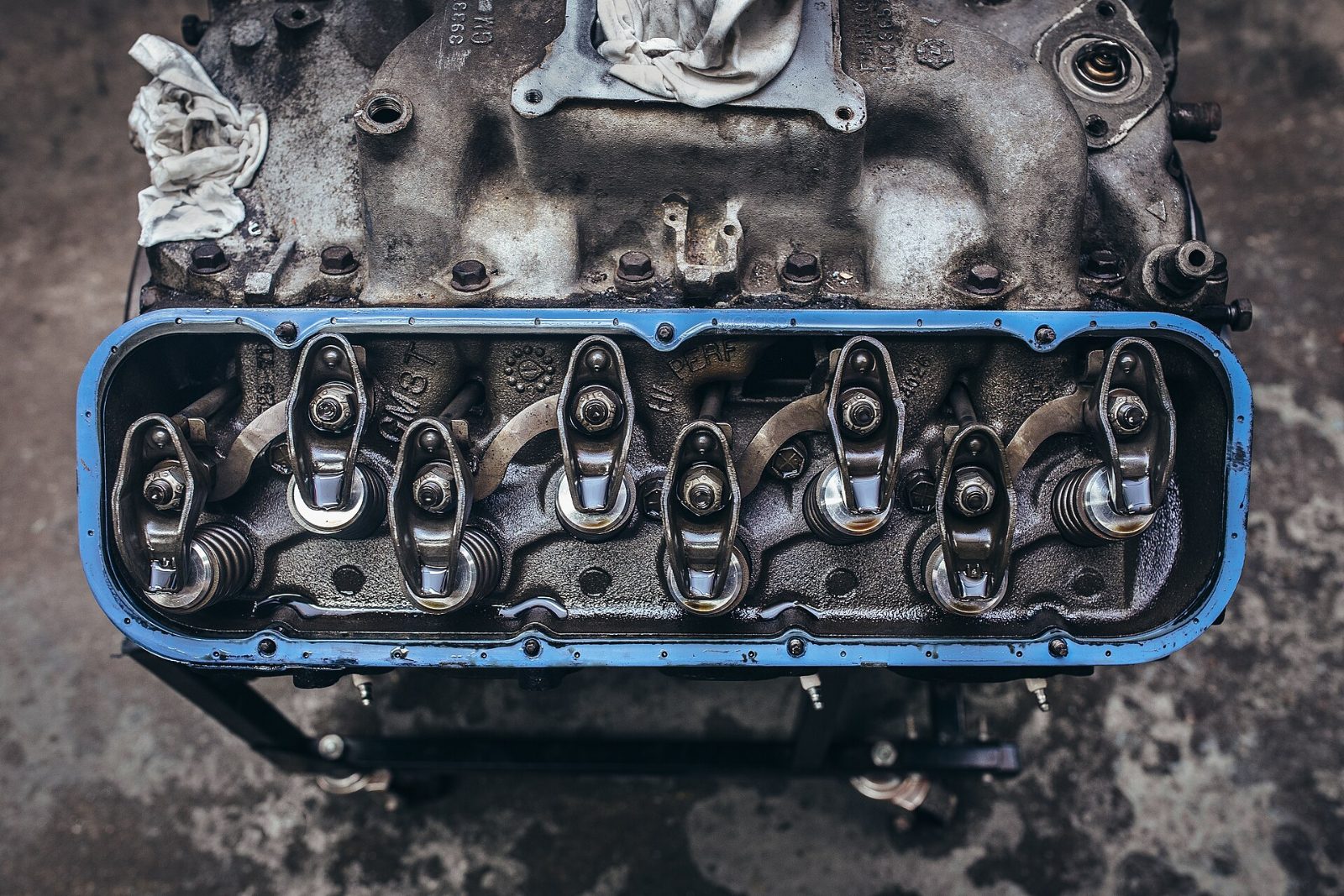
In the late 1960s Chevrolet’s big-block 427 was the engine of choice for drag racing and road racing. The iron-block versions were strong but heavy. The ZL1 took the high-compression, high-lift design of the L88 and moved it into an aluminium block, cutting a significant amount of weight from the front of the car. The engine was developed with Can-Am racing in mind, where aluminium big-blocks were already dominating.
On paper Chevrolet rated the ZL1 at the same 430 gross horsepower as the L88. Almost nobody believes that figure. Like the L88, the rating was understated, partly to keep insurance companies and casual buyers away. Real output on an open exhaust was considerably higher.
ZL1 in a few lines
- Engine: 427 cubic inch (7.0-litre) big-block V8
- Block and heads: aluminium
- Official rating: 430 gross horsepower, widely seen as understated
- Intended use: racing, not road comfort
- Factory Corvettes: two generally accepted examples
Why only two were built
The option was eye-wateringly expensive. The ZL1 option was priced close to the cost of a base Corvette, so a ZL1 car cost far more than a standard one. It also came with the same restrictions as the L88: no radio, no air conditioning and a heavy-duty racing specification that made the car unpleasant on the street.
Most serious racers could buy the engine over the counter and build their own car, which was cheaper and more flexible. So the factory ZL1 Corvette ended up as a corner case in the order book. The same engine was also used in a small run of Camaros ordered through a dealer programme, which is a separate and better-known story.
The 1969 Stingray around it
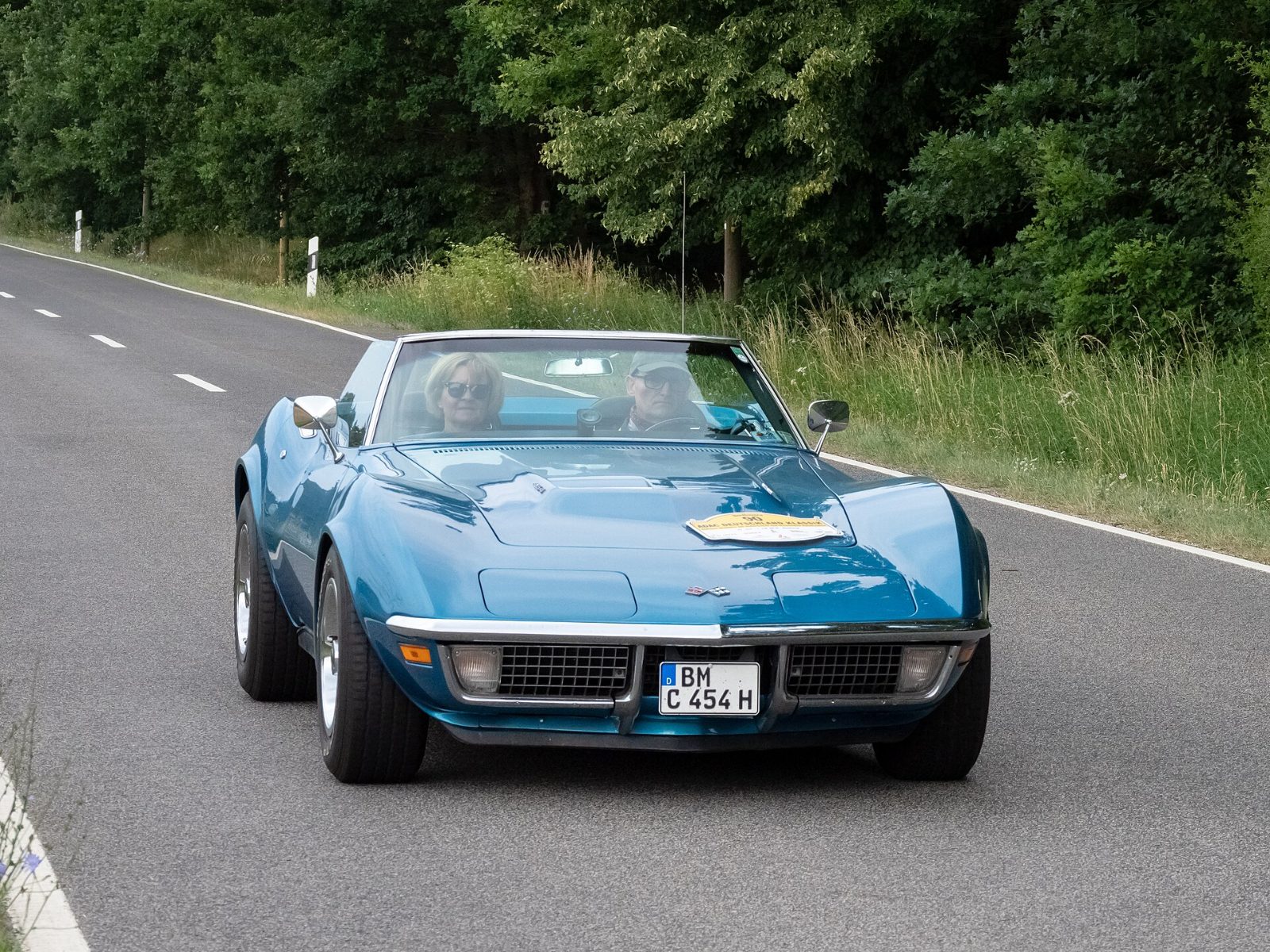
The ZL1 sat in a 1969 Stingray body, the second year of the C3. That year brought back the Stingray name, now written as one word, and added refinements over 1968, including interior changes and wider wheels. The chassis still used the independent rear suspension that started with the 1963 Sting Ray and four-wheel disc brakes introduced in 1965.
| Option | Engine | Character | Relative rarity |
|---|---|---|---|
| Base 350 | Small-block V8 | Everyday driving | Very common |
| L46 / LT-1 family | High-output small-blocks | Lighter, revvier | Common to uncommon |
| L68, L71 | 427 big-blocks with multiple carburettors | Strong street torque | Uncommon |
| L88 | Iron-block racing 427 | Track focused | Rare |
| ZL1 | Aluminium racing 427 | Track focused, lightest big-block | Extremely rare |
Tribute cars and how to spot them
Because the ZL1 name is so famous, many owners build tributes using aftermarket aluminium blocks or later crate engines. There is nothing wrong with that, as long as the car is sold honestly. Problems start when a tribute is presented as original.
Questions to ask
- Is there factory documentation such as a build sheet or dealer paperwork?
- Does the chassis number appear in recognised registries or expert reports?
- Do engine casting numbers and stamping match what experts expect for a ZL1?
- Has a recognised marque specialist inspected the car and written a report?
If a car is advertised as a factory ZL1 at anything less than a museum-level price, it is almost certainly a tribute. Buy it for what it is.
A tribute can still be great
A well-built ZL1 tribute with a modern aluminium big-block, upgraded cooling and good brakes can be a better car to drive in the UAE than a fragile original. Price it as a tribute and enjoy it.
Big-block Corvettes in the Gulf climate
Any big-block C3 generates a lot of heat. The engine bay is tight, the cabin sits close to the exhaust, and air conditioning was never an option on L88 or ZL1 cars. In the Emirates, owners of big-block tributes often fit larger aluminium radiators, high-flow fans, heat shielding under the floor and modern fuel lines that cope with ethanol and heat.
Fuel choice also matters. Old high-compression engines were designed for leaded high-octane fuel. Ask a specialist whether your engine needs additives or retuning before you run it hard on local fuel.
Storage is the other part of the equation. Keep the car covered, run it regularly in cooler months, and check fibreglass and weather seals after each summer. Our ownership cost calculator gives a starting point for budgeting, and the generation comparison shows how C3 big-blocks compare with modern Corvettes.
Why the ZL1 still matters
The ZL1 is proof of how far Chevrolet engineers were willing to push the Corvette in the late 1960s, before emissions rules and insurance costs closed that era. The aluminium big-block idea fed into racing for years, and the ZL1 name came back on later performance Chevrolets. For Corvette fans, it is the ultimate “what if” option code.
Treat any ZL1 Corvette as a tribute until documentation proves otherwise.
Frequently asked questions
How many 1969 Corvette ZL1s were built?
Two cars are generally accepted as factory ZL1 Corvettes. Claims of more should be checked carefully with experts.
How powerful was the ZL1 engine?
It was officially rated at 430 gross horsepower, but that figure is widely considered understated.
Is a ZL1 tribute worth buying?
Yes, if it is priced and described honestly as a tribute and built well. It can be more usable than an original racing-spec car.
What is the difference between the L88 and ZL1?
Both were racing 427s with similar ratings. The L88 used an iron block, while the ZL1 used an aluminium block, making it much lighter.
Sources: National Corvette Museum, National Corvette Restorers Society, Chevrolet Corvette (official)
Last reviewed: 2026-11-25.