
The 1960 Corvette is the final year of the first-generation body with the rounded rear end, and the first year Chevrolet built more than 10,000 Corvettes in a single season. It kept the quad-headlight front from 1958, offered small-block V8s with carburettors or mechanical fuel injection, and today sits in a sweet spot for collectors who want a solid-axle car that can still be driven.
In this guide
Where the 1960 model sits in C1 history
The first Corvette arrived in 1953 as a six-cylinder roadster with a two-speed automatic. It took the small-block V8 in 1955 and a manual gearbox to turn it into a genuine sports car. The 1958 restyle added four headlights, a busier grille and more chrome, and the 1960 car is the last one to wear that body with the original rounded tail.
For 1961 Chevrolet grafted on the flat “ducktail” rear that previewed the 1963 Sting Ray. That makes the 1960 model a natural endpoint for anyone collecting the early look. It also explains why buyers often compare it directly with the 1958 and 1959 cars, which share most of the body but differ in trim, interior details and options.
1960 Corvette at a glance
- Body: two-seat fibreglass roadster, optional removable hardtop
- Chassis: solid rear axle on leaf springs, drum brakes all round
- Engines: 283 cubic inch small-block V8 in several states of tune
- Fuel systems: single four-barrel, twin four-barrels, or Rochester mechanical fuel injection
- Gearboxes: three-speed manual, four-speed manual, or two-speed Powerglide automatic
Engines and gearboxes
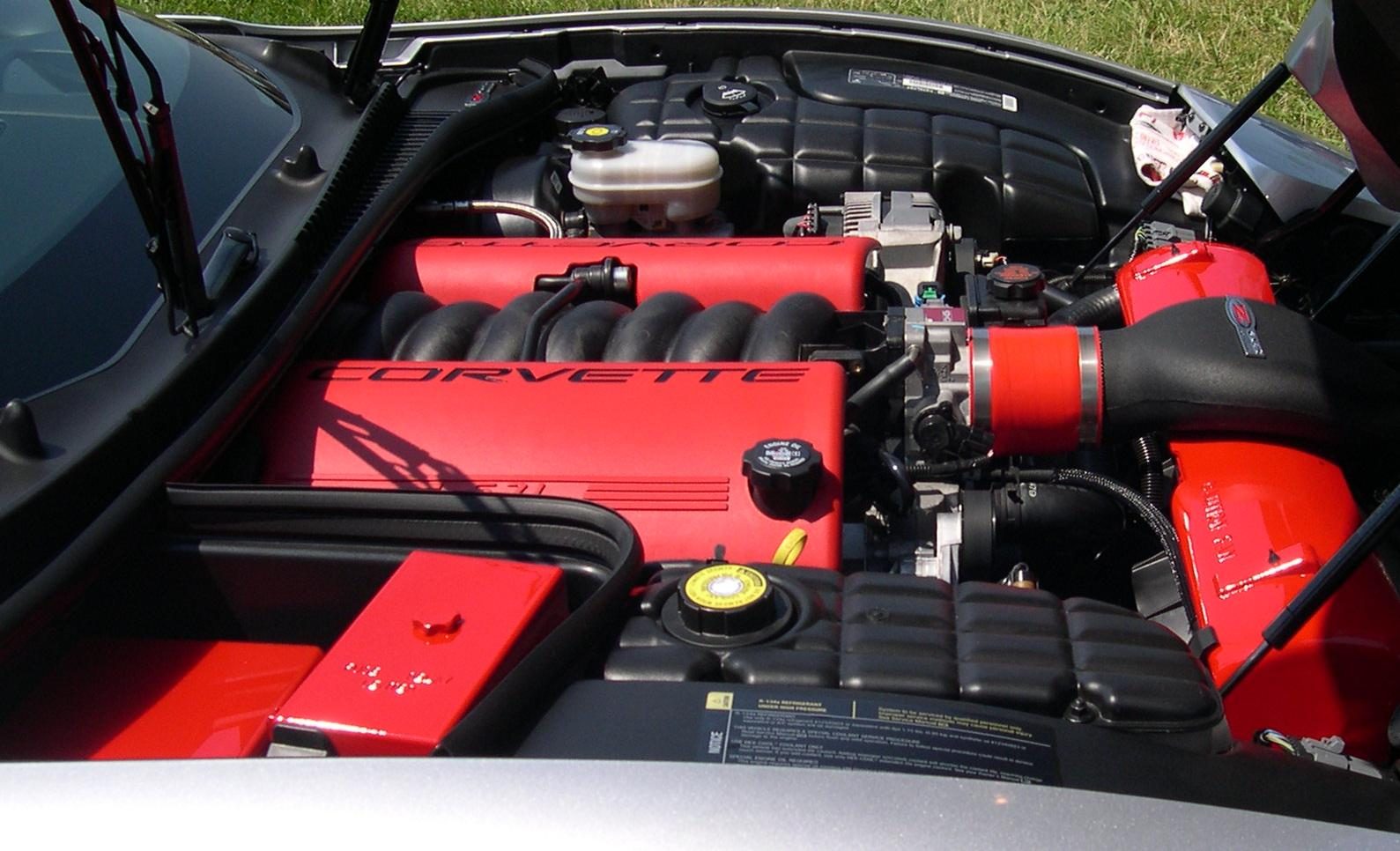
Every 1960 Corvette used a version of the 283 cubic inch (4.6-litre) V8. The differences came from carburetion, camshaft and compression. Entry cars ran a single four-barrel carburettor; the next step used two four-barrels; the top of the range used Rochester mechanical fuel injection, which Chevrolet had offered since 1957.
Fuel injection is the feature that gets collectors excited, and also the one that worries mechanics. The Rochester unit works well when it is set up correctly, but it needs someone who understands it. In the UAE that usually means sourcing parts and advice from the United States, so factor that into your plans before paying a premium for an injected car.
The four-speed manual is the most desirable gearbox today. Powerglide cars are easier in traffic, which matters more than people admit on Sheikh Zayed Road on a weekday evening.
What changed for 1960
The 1960 updates were mostly incremental, which is typical for the late C1 years. Chevrolet added a rear anti-roll bar to improve handling, and interior and trim details were revised. Plans for aluminium cylinder heads on the top engines were announced and then dropped because of production problems, so if a seller claims factory aluminium heads, ask for documentation.
Production rose to just over 10,000 cars for the first time. That is still a small number by modern standards, and survivors in honest condition are far rarer than that figure suggests.
| Year | Rear styling | Notable point |
|---|---|---|
| 1958 | Rounded, chrome trunk spears | First quad headlights, busiest trim |
| 1959 | Rounded, trunk spears removed | Cleaner body, revised interior |
| 1960 | Rounded | Last year of the original tail, rear anti-roll bar |
| 1961 | Flat ducktail | Preview of the Sting Ray rear |
| 1962 | Flat ducktail | Larger 327 V8, last solid-axle Corvette |
Buying a 1960 Corvette from the UAE
Very few C1 cars were sold new in the Gulf, so most examples you will see here were imported later, usually from the United States. That has practical consequences.
Paperwork first
Before you look at the paint, look at the file. You want a clear title history from the country of origin, an export record, UAE customs clearance and registration that matches the chassis number on the car. Classic registration rules and inspection requirements differ between emirates, so check with the traffic authority where you plan to register before you commit.
Originality and numbers
The C1 market rewards correct parts. Engine casting numbers, date codes and the engine stamp pad help show whether a car still has its original or a period-correct engine. Many cars have had replacement engines over sixty years, which is not a crime, but it should be reflected in the price. A judged award or a written report from a recognised marque specialist is worth more than a seller’s description.
Fibreglass and frame
Fibreglass does not rust, but the steel frame underneath does, and so do the body mounts and floor supports. Cars that lived in humid coastal climates can hide corrosion. Get the car on a lift, look at the frame rails behind the front wheels and in front of the rear axle, and check for crazing and old repairs in the fibreglass around the headlights and doors.
Heat and old cooling systems
A sixty-year-old cooling system was never designed for 45°C afternoons and stop-start traffic. Budget for a professional cooling overhaul, an electric fan that can be removed later, and fresh hoses before you drive a C1 in summer. Many owners simply keep the car for cooler months.
Living with one in the Emirates
A 1960 Corvette is happiest on early morning drives in winter. Air conditioning was not offered, the cabin gets hot, and the drum brakes need anticipation in modern traffic. Plan for covered, ideally climate-controlled storage, because UV and dust are hard on vinyl, chrome and soft tops.
Insurance for classics in the UAE is usually arranged through specialist policies or agreed-value cover. Ask your insurer how it handles cars that are driven occasionally and what proof of value it needs. For a rough view of running costs against a modern Corvette, our ownership cost calculator is a useful starting point, though classic parts and specialist labour can swing the numbers in either direction.
How it compares with other C1 years
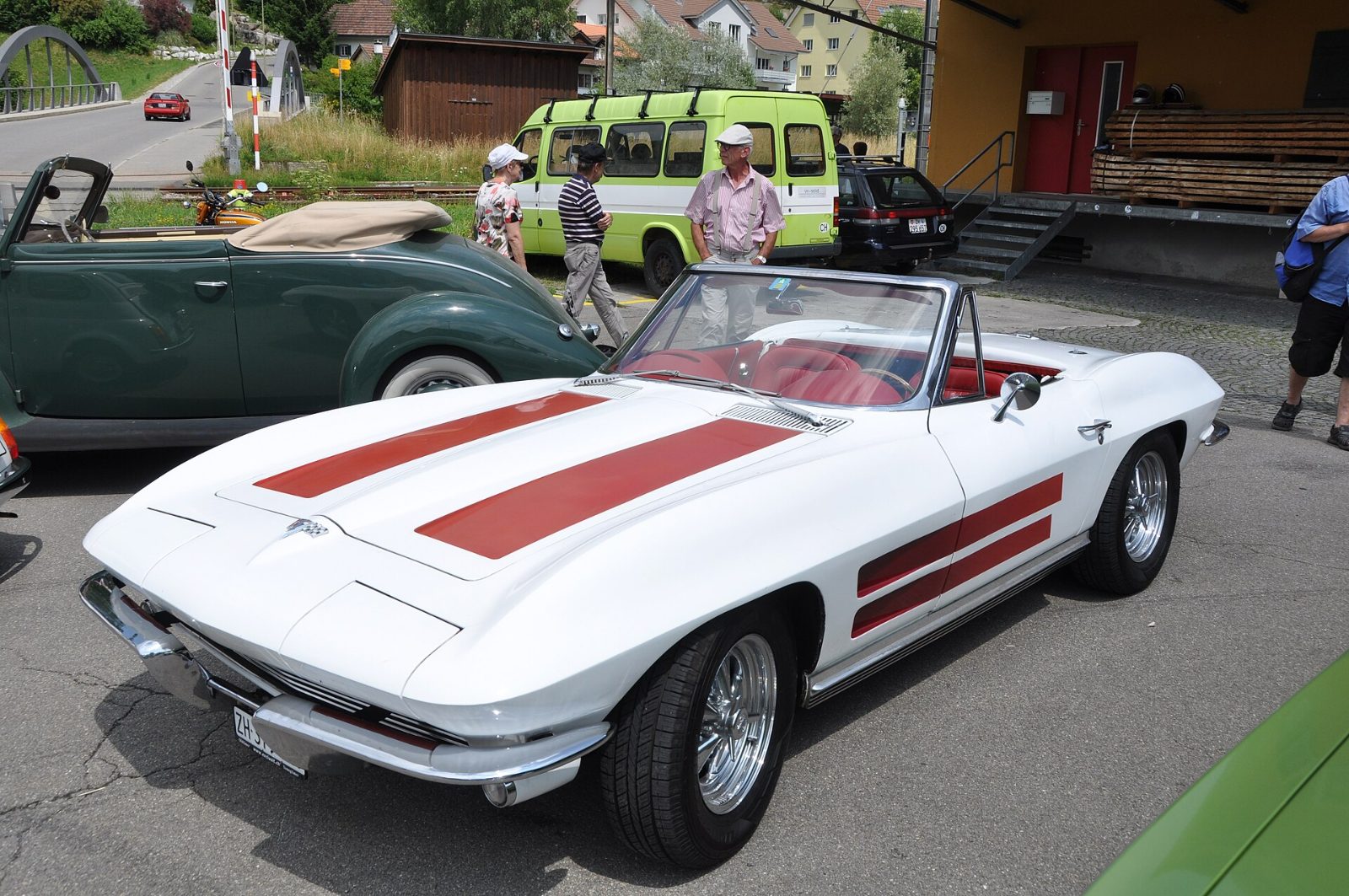
If you love the early look but want simpler mechanics, a carburetted 1960 car with a four-speed is a sensible choice. If you want the most powerful C1, look at the 1962 cars with the 327. If you want a symbol of the very beginning, the 1953 to 1955 cars are the ones, though they are far rarer and drive very differently. Our generation comparison puts all of this in context with later Corvettes.
The 1960 Corvette is the last chance to own the original C1 silhouette, and paperwork matters as much as paint.
Frequently asked questions
Is a 1960 Corvette a good first classic?
It can be, if you buy a well-documented car and accept that it needs regular attention. A carburetted car is easier to maintain than a fuel-injected one.
How can I tell a 1960 from a 1959 Corvette?
They look very similar. Trim and interior details differ, and the chassis number on the documents and car is the reliable way to confirm the year.
Can I drive a 1960 Corvette in UAE summer?
You can, but it is hard on the car and on you. Most owners limit driving to the cooler months and early mornings.
Should I pay extra for fuel injection?
Only if the system is documented as original and has been set up by someone experienced. A poorly sorted injected car can be more frustrating than a good carburetted one.
Sources: National Corvette Museum, National Corvette Restorers Society, Chevrolet Corvette (official)
Last reviewed: 2026-11-25.