
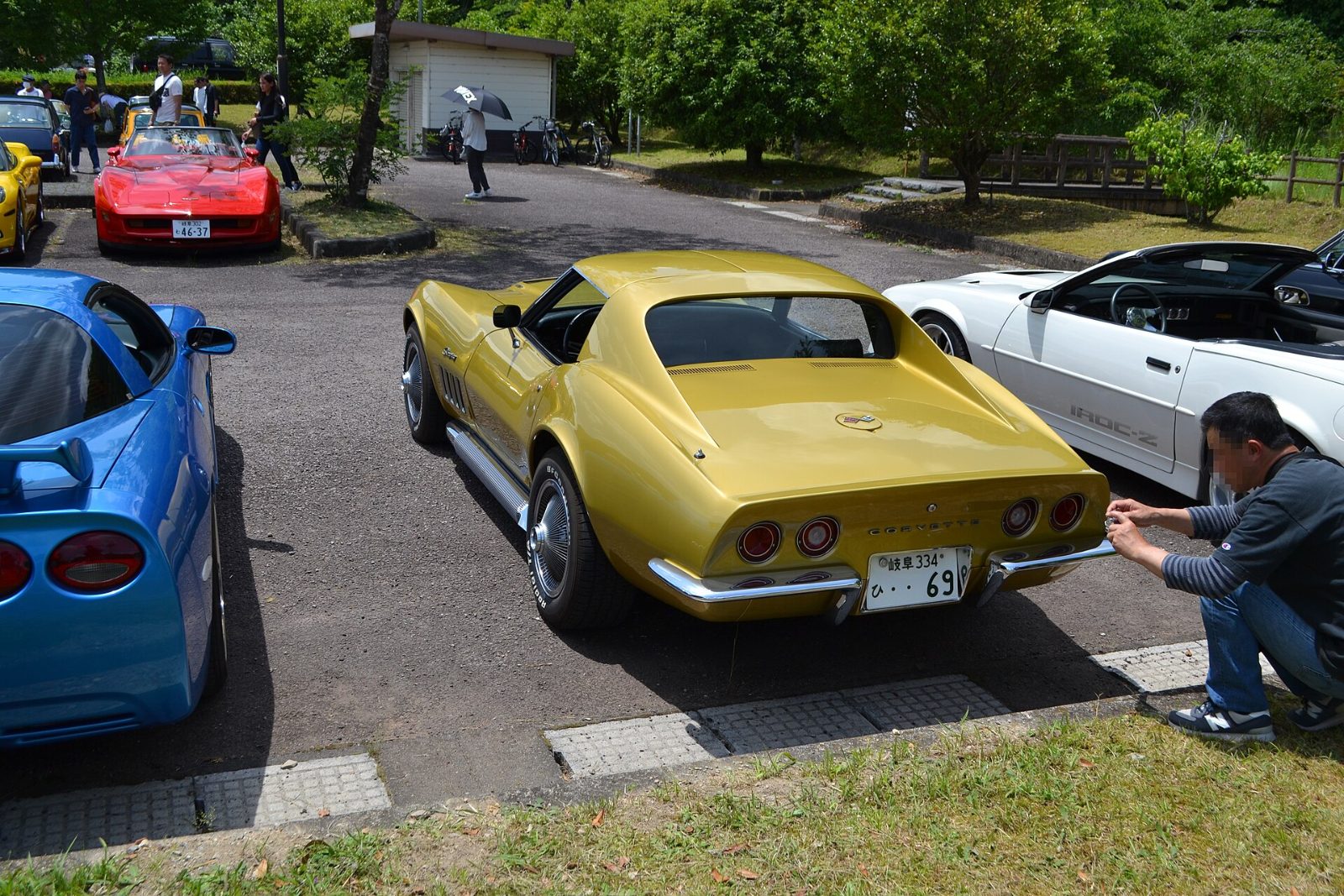
The 1969 Corvette Stingray is the second year of the C3 generation and the year the Stingray name came back, now written as one word on the front fenders. It is remembered for a wide spread of engines, from the new 350 small-block to the rare all-aluminium ZL1 427, and for record production for its time, with 38,762 cars built during an extended model year.
In this guide
Why 1969 stands out in the C3 story
The C3 launched for 1968 with dramatic “Coke bottle” styling inspired by the Mako Shark II show car. The first year was criticised for build quality and a cramped interior. For 1969 Chevrolet fixed many of those complaints, restored the Stingray badge, and gave buyers more choice under the bonnet. A long production run, which carried on beyond the usual changeover because of delays in readying the 1970 model, lifted the total well above the previous year.
Key changes from 1968
- Stingray script returns on the front fenders, as a single word.
- 350 cubic inch small-block replaces the 327 as the base engine.
- Ignition moved to the steering column, which also allowed a steering lock.
- Interior tweaks to give a little more room and better ergonomics.
- Wider wheels than in 1968, improving the stance and grip.
These changes made 1969 a more complete car than the debut year, which is one reason collectors often prefer it.
Engine choices
The 1969 order sheet offered both small-block and big-block V8s. Power figures below are the gross ratings Chevrolet used at the time, which are higher than modern net figures.
The L88 and ZL1 were racing-oriented engines sold in very small numbers. The ZL1, with its aluminium block, is one of the rarest factory Corvette options ever, with only two cars generally accepted as built with it. That rarity means almost any “ZL1” offered for sale deserves expert verification.
1969 Stingray at a glance
- Generation: C3 (1968 to 1982)
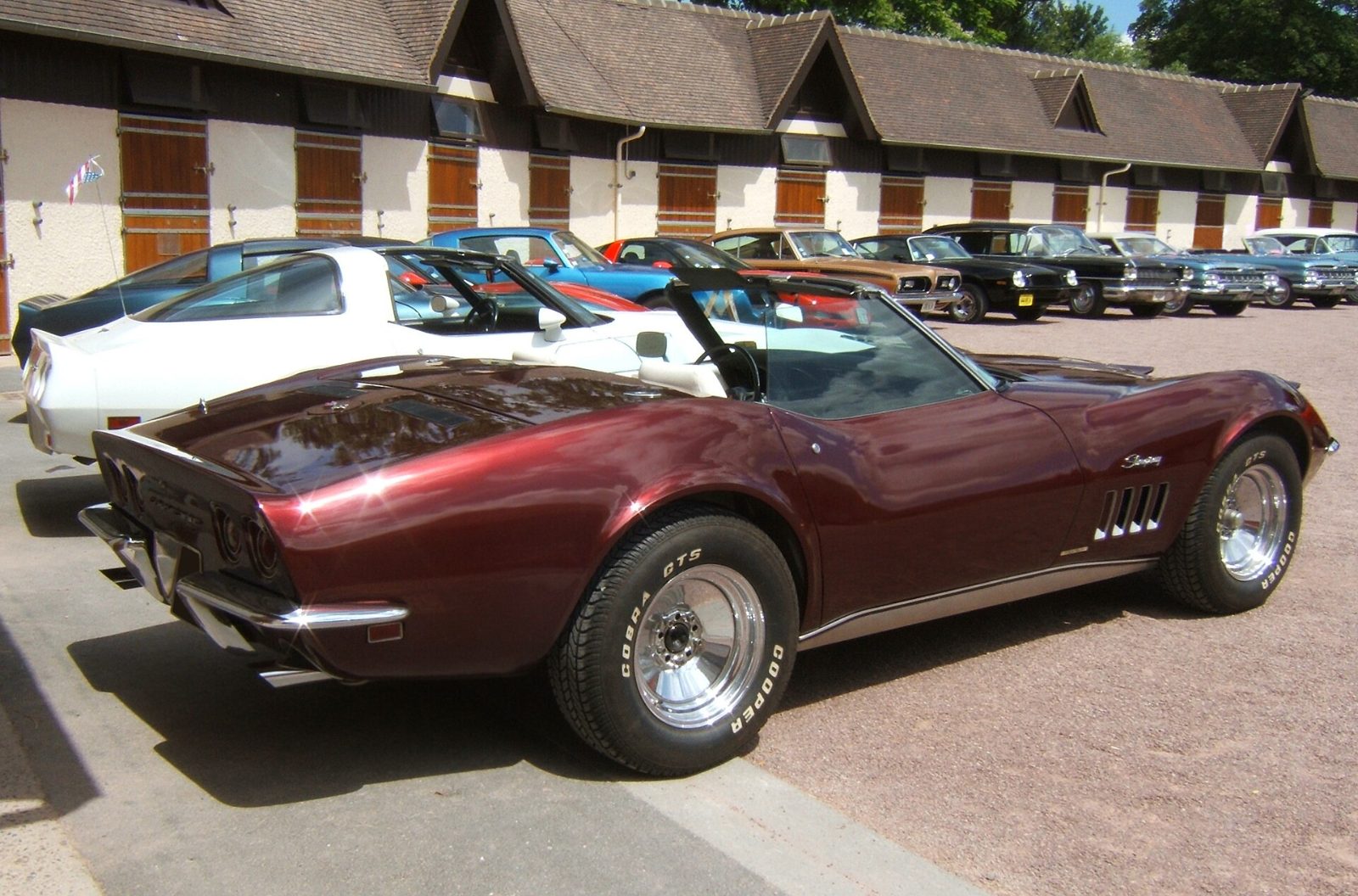
- Body styles: coupe with removable roof panels, and convertible
- Production: 38,762 cars
- Base engine: 350 cubic inch V8
- Largest engine: 427 cubic inch big-block V8 in several states of tune
Coupe or convertible
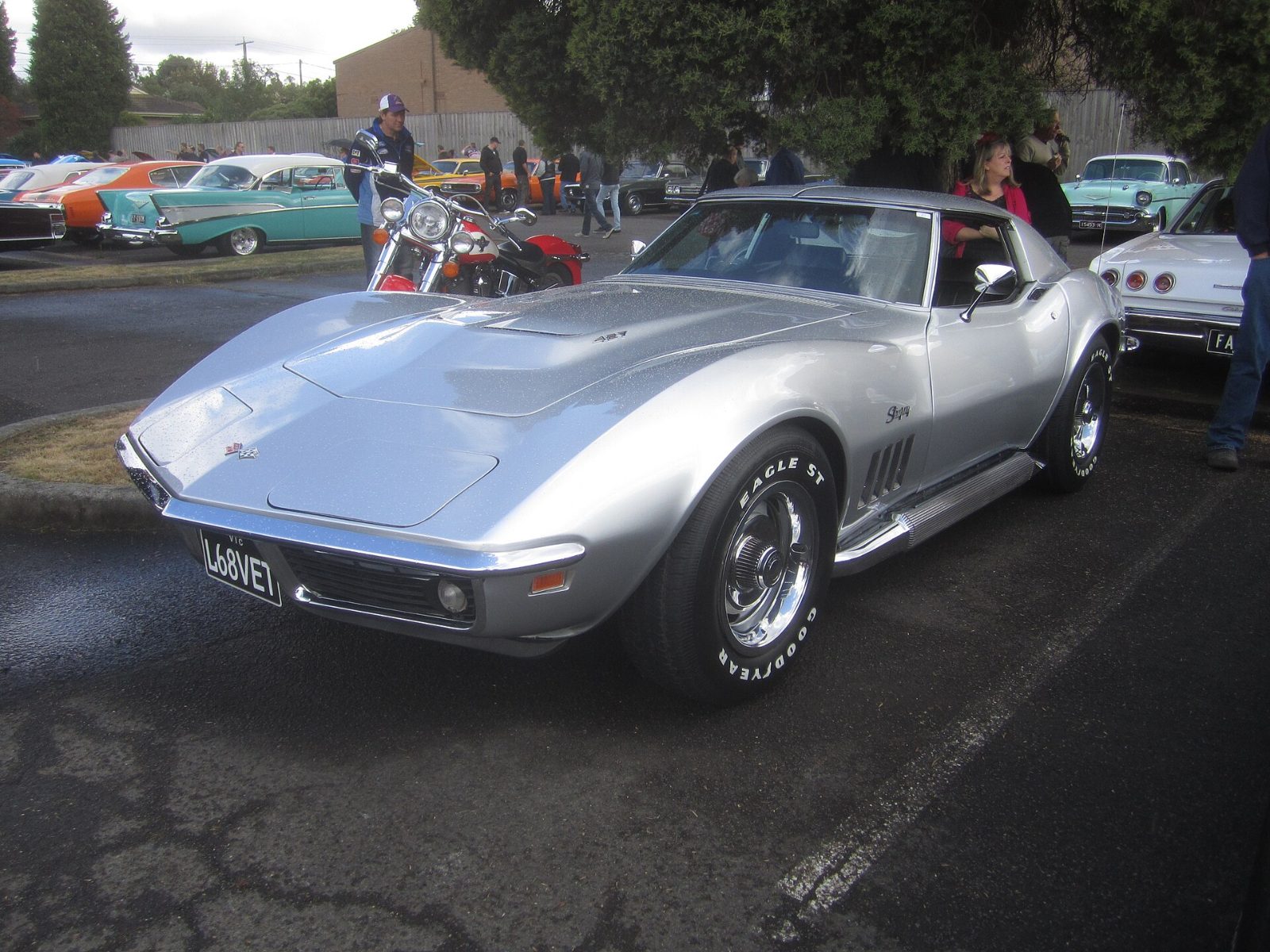
The coupe has removable T-top roof panels and a removable rear window, which gives an open-air feel with more rigidity than the convertible. The convertible offers the classic soft-top experience and could be ordered with an auxiliary hardtop. In the UAE, a coupe is usually the more practical choice: the T-tops can stay in place during the hottest months, and the cabin is better protected from dust.
A 1969 Stingray with documented originality is worth far more than one with an unknown history, whatever the engine.
Buying a 1969 Stingray in the UAE
Classic Corvettes appear in the UAE through private sales, specialist dealers and imports from the United States. Many buyers import directly, which brings shipping, customs duty and registration steps into the cost. Prices depend heavily on engine, originality, documentation and condition, and the spread between a driver-quality small-block car and a documented big-block can be enormous.
What to check
| Area | What to look for |
|---|---|
| Frame | Rust on the steel frame, especially behind the doors and at the rear kick-ups |
| Birdcage | The steel structure inside the fibreglass body can corrode, which is costly to repair |
| Engine numbers | Matching numbers between engine stamping and the car’s VIN |
| Documentation | Tank sticker, build sheet or other original paperwork |
| Body | Cracks, poor fibreglass repairs and panel fit |
| Cooling | Radiator and fan condition, important for Gulf traffic |
Specialist inspections are worth the money. Organisations such as the National Corvette Restorers Society publish judging standards that help you understand what original should look like.
Living with a 1969 Corvette in Gulf heat
A 1969 car was not designed for 45°C traffic jams on Sheikh Zayed Road. Owners in the UAE commonly upgrade the cooling system with a modern aluminium radiator and better fans, while keeping the original parts stored if originality matters. Factory air conditioning was available in 1969, but a 50-year-old system usually needs a full rebuild to cope with a Gulf summer. Plan drives for early mornings or winter months, keep the car garaged, and use a quality cover to protect the paint and interior from UV.
Budget before you buy
Running a classic is about more than the purchase price. Use our Corvette ownership cost calculator to add insurance, storage, servicing and cooling upgrades in AED.
For context on how the C3 fits among other generations, see our Corvette generations compared page.
Frequently asked questions
How many 1969 Corvettes were built?
Chevrolet built 38,762 Corvettes for the 1969 model year, a record at the time, helped by an extended production run.
What is the difference between the 1968 and 1969 Corvette?
The 1969 brought back the Stingray name, replaced the 327 with the 350 small-block, moved the ignition to the steering column and refined the interior.
Is the 1969 ZL1 Corvette real?
Yes, but extremely rare. Only two are generally accepted as factory-built ZL1 cars, so any claimed example needs expert verification.
Can a 1969 Corvette be driven daily in the UAE?
It can be driven regularly with cooling and air conditioning upgrades, but most owners use theirs in cooler months and keep it garaged.
Sources: National Corvette Museum, NCRS, Chevrolet heritage
Last reviewed: 2026-11-25.